About

Rajatsurya M

I aspire to be a Robotics Engineer with a passion for designing and developing advanced robotic systems that operate autonomously and have a positive impact on society. Through research and innovation, my goal is to push the boundaries of this transformative technology.

By integrating principles of robotics, artificial intelligence, and machine learning, I strive to create intelligent machines that enhance efficiency, productivity, and address societal challenges. I am particularly interested in applying my skills and knowledge to industries such as healthcare, manufacturing, agriculture, and space exploration.

My ultimate aim is to develop robotic systems that augment human capabilities, improve safety, and revolutionize the way we live and work. Through continuous learning and interdisciplinary collaboration, I am dedicated to unlocking the full potential of robotics and shaping a future where humans and machines coexist harmoniously, transforming our lives for the better.

  • Birthday: 13 April 1999
  • Phone: +1 (734) 210-8222

Interests

Machine Learning

Mechanical Design

Computer Vision

Natural Language Processing

Mechanics

Electronics

Mathamatics and Physics

Image Processing

Education

Doctor of Philosophy in Robotics

August 2026 - May 2029

Master of Science in Robotics

August 2024 - May 2026
Relevant Coursework
  • Mathematics for Robotics
  • Programming for Robotics
  • controls for Robotics
  • Robotics laboratory
  • Directed study for Robotics

BE in Mechanical Engineer

September 2017 - August 2021
Relevant Coursework
  • Mechatronics and Microprocessor
  • Introduction to Robotics
  • Kinematics of Machines
  • Dynamics of Machines
  • Engineering Mathematics

Scholarships

Rackham Research Grant

Awarded - May 2025

Rackham Non-Traditional Fellowship

Under Consideration

Rackham International Student Fellowship

Under Consideration

Online Certification

Machine Learning Specialization

Unsupervised Learning, Reinforcement Learning

ROS for Beginners, Basics, Motion and Open CV

Robotics:Aerial Robotics

Python for machine learning and Data science boot camp

The complete Python Bootcamp from Zero to Hero in Python

Matrix Algebra for Engineers

Mordern Robotics Course-1

ROS for Beginners II: Localization, Navigation and SLAM

Research Experience

University of Michigan - Ann Arbor

30th September 2024 - Present

Research Assistant

Principal Investigator: Dr. Robert D. Gregg IV

Lab: Locomotor Control Systems Laboratory


  • Designing a custom knee support harness in SolidWorks for individuals with arthritis and joint pain.
  • Developed a five-bar linkage system using Matlab to optimize torque transfer, significantly reducing the normal distance of existing designs by 80% and enhancing overall torque delivery efficiency by 60% for improved mechanical performance.
  • Decreased the assembly mass by 35% by minimizing parts, enhancing durability and improving overall user comfort.
  • Performed dynamic stress analysis in ANSYS to validate structural integrity, reducing stress on the five-bar linkage by 25% through specialized design modifications, optimizing performance, durability, and efficiency for improved reliability.
  • Utilized advanced 3D printing technology for rapid prototyping to efficiently test, analyze, and refine the design.
  • Benchmarked the AK-80 motor to determine the ideal torque required for effective pain relief and optimal performance.
  • Ensured precise torque delivery to the constrained five-bar linkage aligns with the requirements for optimal effectiveness.
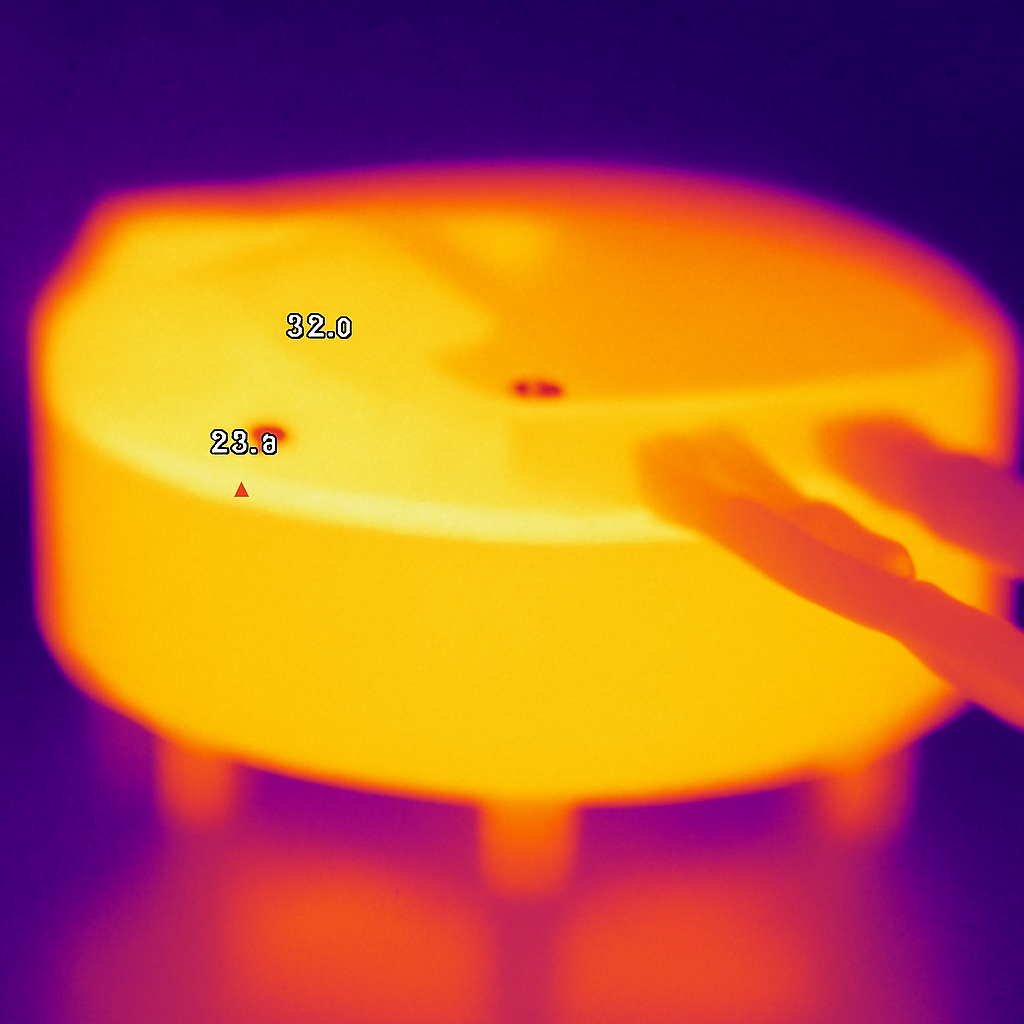
  • Performed thermal characterization of delta-wound BLDC motors to assess and ensure thermal stability under operating loads.
  • Characterized five-bar linkage transmission using a goniometer to analyze changes with motor position and knee flexion.
  • Tuned a task-agnostic, non-heuristic controller—originally developed for warehouse lifting/lowering tasks—to specifically target the sagittal plane in individuals with peripheral osteoarthritis, aiming to reduce quadriceps activation.
  • Integrated Bluetooth IMUs into the controller to enable real-time motion feedback and enhance closed-loop performance.
  • Used EMG to analyze quadriceps activation and Vicon to quantify joint moments and gait with/without exoskeleton.

University of Michigan - Ann Arbor

15th January 2025 - Present

Research Assistant

Principal Investigator: Dr. Vineet Kamath

Lab: Live Lab


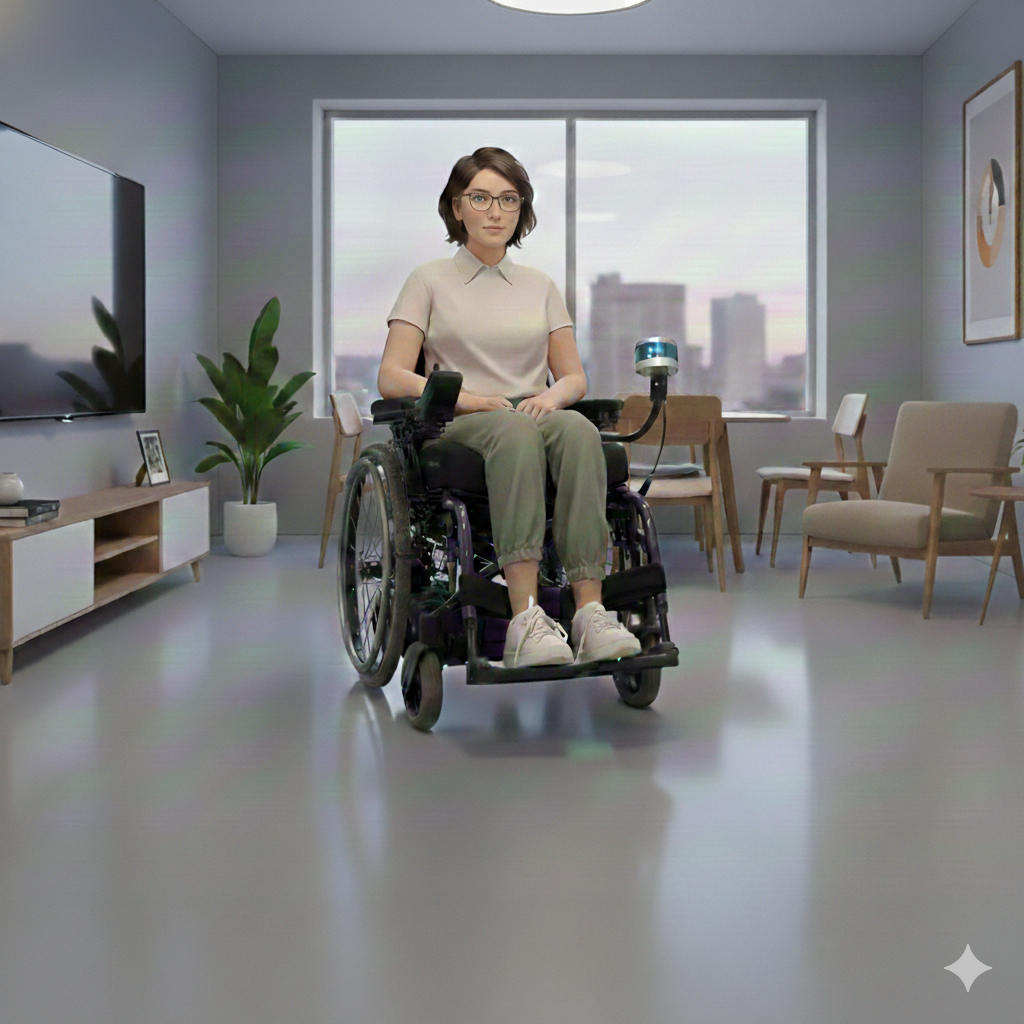
  • Contributed to developing CoNav, a ROS-based smart wheelchair enabling shared navigation for people with impairments.
  • Implemented Model Predictive Control (MPC) to combine user input with obstacle avoidance, improving navigation.
  • Designed a control system that learns preferences, prioritizing manual input and autonomously navigating when needed.
  • CoNav outperformed traditional wheelchairs in real-world testing, reducing collisions by 40%, improving navigation efficiency by 30%, and increasing user satisfaction by 25%, as measured in controlled indoor experiments.

University of Michigan - Ann Arbor

1st November 2024 - 1st May 2025

Research Assistant

Principal Investigator: Dr. Cameron Aubin

Lab: Zoetic laboratory


  • Developing a bio-inspired, insect-scaled robot weighing 45 grams and measuring under 50 mm, capable of efficiently traversing sand and water with a novel, innovative, and adaptable design for improved maneuverability and performance.
  • Overcoming limitations of existing robots that are too heavy, exceeding 1000 grams, too large at 800 mm, or restricted to tethered environments, making the setup unusable outdoors or in unpredictable conditions, especially in harsh terrains.
  • Fitted with sensors for monitoring water levels and soil fertility, employing a screw mechanism for plowing fields, and engineered for swarm control to boost efficiency in agriculture, with potential applications in space exploration.
  • Designing in Fusion 360, SolidWorks and fabricating prototypes using a Carbon Resin 3D printer.

Indian Institute of Science

14th August 2023 - 14th August 2024

Associate Research Fellow

Principal Investigator: Dr. Pradipta Biswas

Lab: I3D Lab (Interactive Intelligence and Human-Computer Interaction Laboratory)


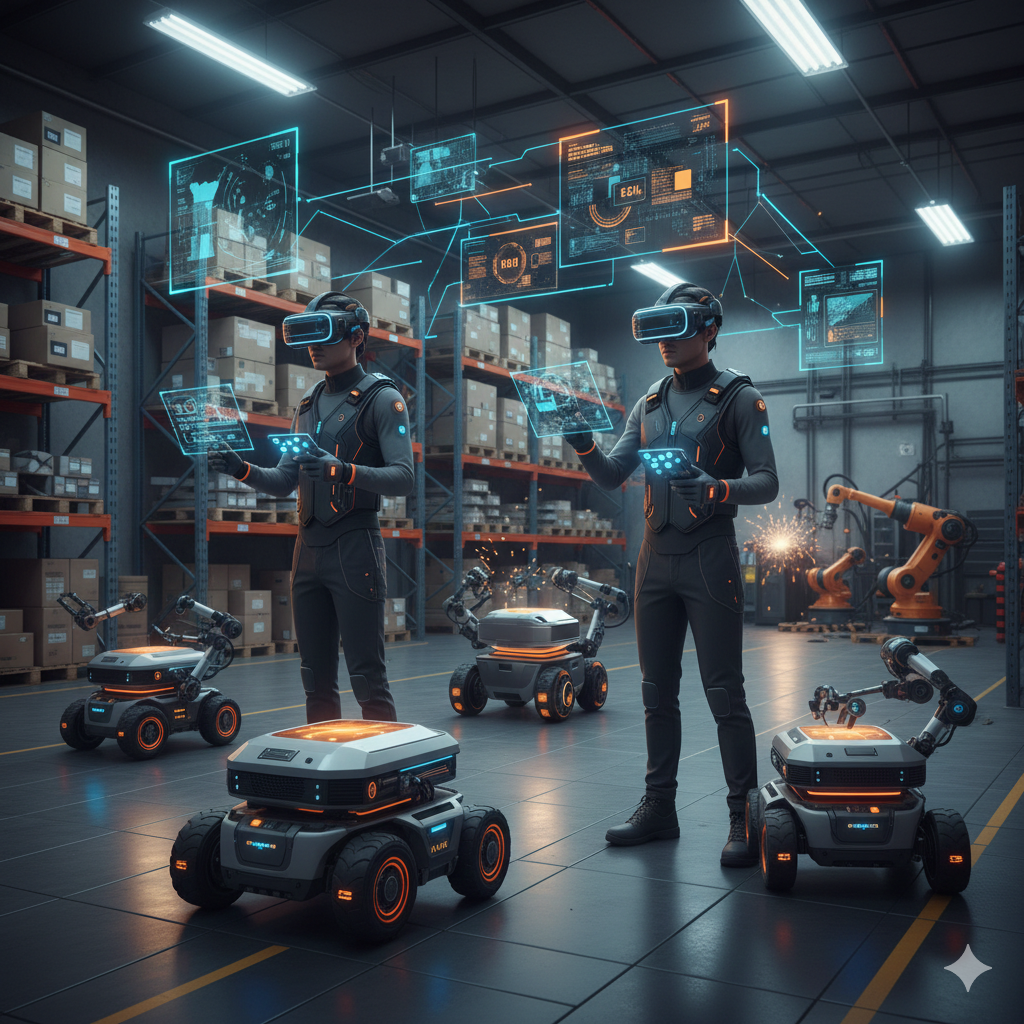
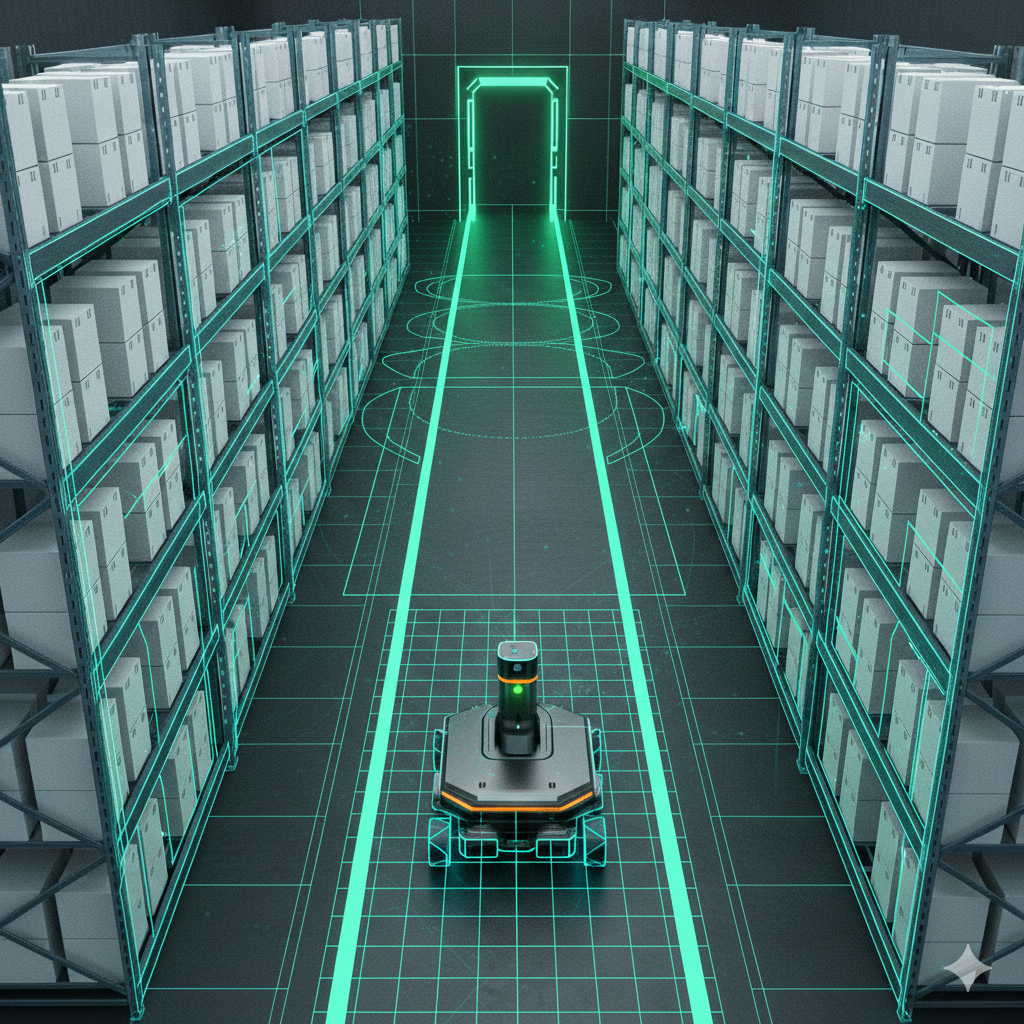
  • Working on Motion Planning Algorithms and Collision Avoidance for Warehouse Robots that are part of a Task Scheduling system
  • Using ROS to Enable initial localization for Cartographer-running robots by developing a method that utilizes Pbstream, a file type storing Odom, IMU and Laser sensor data; the robot continuously reads this data to self-localize while moving
  • Constructed a ROS launch file enabling simultaneous autonomous navigation for multiple robots on the same map using Cartographer localization, achieving 10-15% higher accuracy than Adaptive Monte Carlo localization (AMCL).
  • Actively engaged in developing and efficiently implementing a collision-avoidance algorithm, specifically focusing on the collision cone algorithm, for collaborative robots in shared environments to effectively visualize potential robot collisions.
  • We submitted three research papers to the International Conference on Robotics and Automation (ICRA), the International Conference on User Interface (IUI 2024), and Robot and Human Interactive Communication (Ro-MAN 2024).The papers were accepted to IUI 2024 and Ro-MAN 2024.These papares encapsulates our research on Multi robot Demand-Aware task scheduling
  • Title: Human-On-The-Loop Multi-Robot Demand-Aware Task Scheduling: Benchmarking and Analysis.[ICRA-24]
  • Title: Human-On-The-Loop Multi-Robot Demand-Aware Task-Scheduling: A Mixed Reality Approach. [IUI-2024]
  • Title: Human(s) On the Loop Demand Aware Robot Scheduling: A Mixed Reality-Based User Study. [RoMAN-2024]
  • Developed an innovative approach to streamline data transfer from the camera with an HTTP message via a web server, instead of the traditional ROS 2 Topic, resulting in a latency reduction of 50 to 60% which is key for visual SLAM applications.
  • Collaborated with a team of four to evaluate SLAM algorithms like LSD, Orob, and Gaussian Splatting SLAM—using a monocular camera. Gaussian Splatting SLAM proved superior, cutting SLAM time by 15% and achieving 5x higher resolution.
  • Integrated Gaussian Splatting SLAM with ROS 2 by visualizing splatting in RViz. Used Depth Anything models to provide depth data to the SFM model, producing point cloud data for the splatting algorithm, which enhanced robot localization by 15%.
  • The developments and findings of the Gaussian Splatting Algorithm will be submitted to ICRA 2025 under the
    Title: MonoSplatter-SLAM:Enhanced Object SLAM Using Monocular Vision and Gaussian Splatter Technique. [ICRA 2025]

Industry Experience

Saint-Gobain Surface Solutions

9th August 2021 - 14th August 2023

Business Development and Application Engineer


  • Implemented IoT and anomaly detection in grinding components, improving quality control and optimizing production.
  • Collaborated closely with a major channel partner in India, diligently identifying customers with ongoing projects and providing comprehensive technical training, as well as streamlined supplies, to precisely meet their specific needs.
  • Achieved an increase of 200 lakh (INR) in market share as a result of gaining customer trust and delivering tailored solutions.
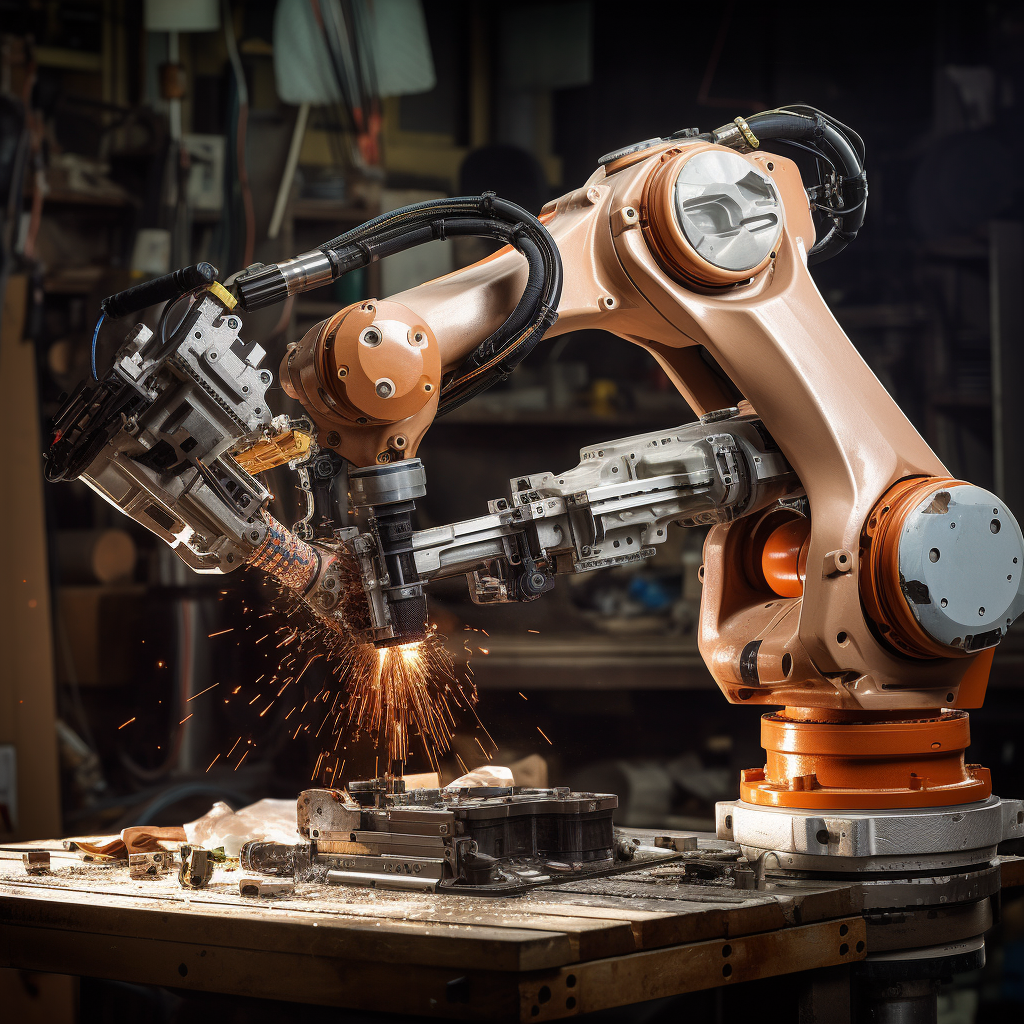
  • Collaborated closely with Fanuc to introduce robotics to the high-intensity labour market, meticulously modifying single-arm robots for tasks such as weld fabrication and burr removal in forged and casted materials, thereby enhancing productivity.
  • Partnered with HAL to automate their grinding process, demonstrating the potential of robotics in various applications.
  • The experience of driving technical changes and witnessing the positive impact of robotics on industrial processes has ignited a strong interest in the field and a passion for exploring the limitless possibilities of robotics.

Volunteering Experience

NSS Rural Drive

Jun 2018 - Aug 2018

Rural Camp Volunteer


  • Conducted visits to informal settlements with the aim of implementing improvements and providing support to the residents.
  • Expanded the number of special camps in schools located in underdeveloped areas, where these special camps focused specifically on providing Vocational Trainings to the local communities in need, fostering skill development and empowerment
  • Implemented a range of regular activities in schools such as computer classes, English speaking classes, and coaching sessions in Maths and Science, specifically tailored for 10th standard students who were struggling academically.
  • Organized comprehensive skill development programs in various fields including computers, mechanical workshops, electrical workshops, and chemistry laboratories, effectively catering to individuals of all age groups and skill levels.
  • Focused specifically on initiatives related to promoting clean energy, detecting food adulteration, eradicating parthenium weed, actively engaging with destitute individuals, and providing support and care to orphaned children in orphanages.
  • Finally all the Volunteers actively participated in a plantation drive where we collectively planted approximately 200 trees.

Projects

Smart Mobility Chair

Motor Characterization

Multi Robot Task Scheduling

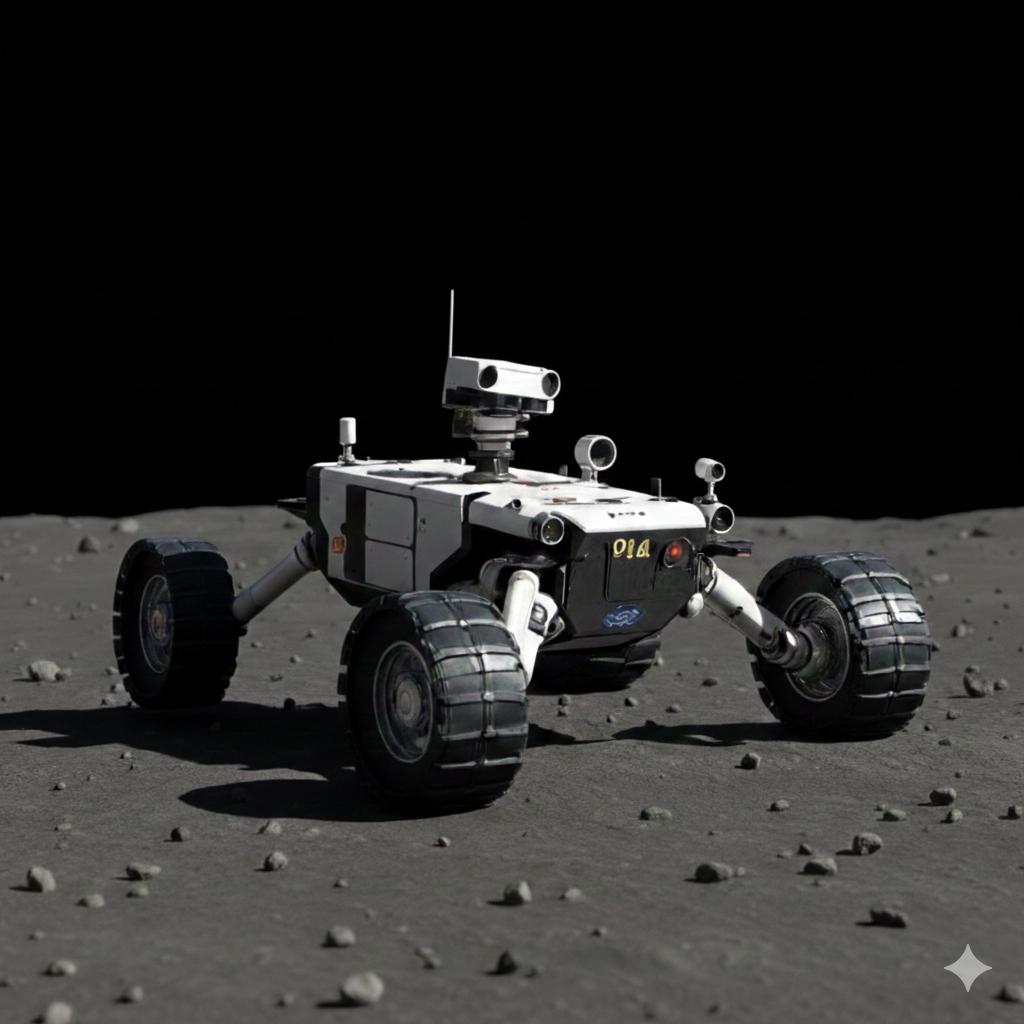
Rocker-Bogie Lunar Rover

Antenna Booming Mechanism

SLAM Algorithm Comparison

Space Frame Assembly Bot

Video Based Object Detection

Lunar Lander Simulation

Pick and Place Automation

Image Compressor

Skills

Languages and Databases

vectorlogo.zone matlab

Frameworks

vectorlogo.zone vectorlogo.zone vectorlogo.zone vectorlogo.zone

Tools

vectorlogo.zone vectorlogo.zone vectorlogo.zone vectorlogo.zone vectorlogo.zone vectorlogo.zone vectorlogo.zone

Contact

My Address

University of Michigan

Ann Arbor

USA

Social Profiles

Email

rajatsm@umich.edu

Contact

+1 734-210-8222